CONGRATS! YOU EARNED FREE SHIPPING.

Product Title
1
$0
$0
Subscription Title

Looking kind of empty in here.
We recommend:
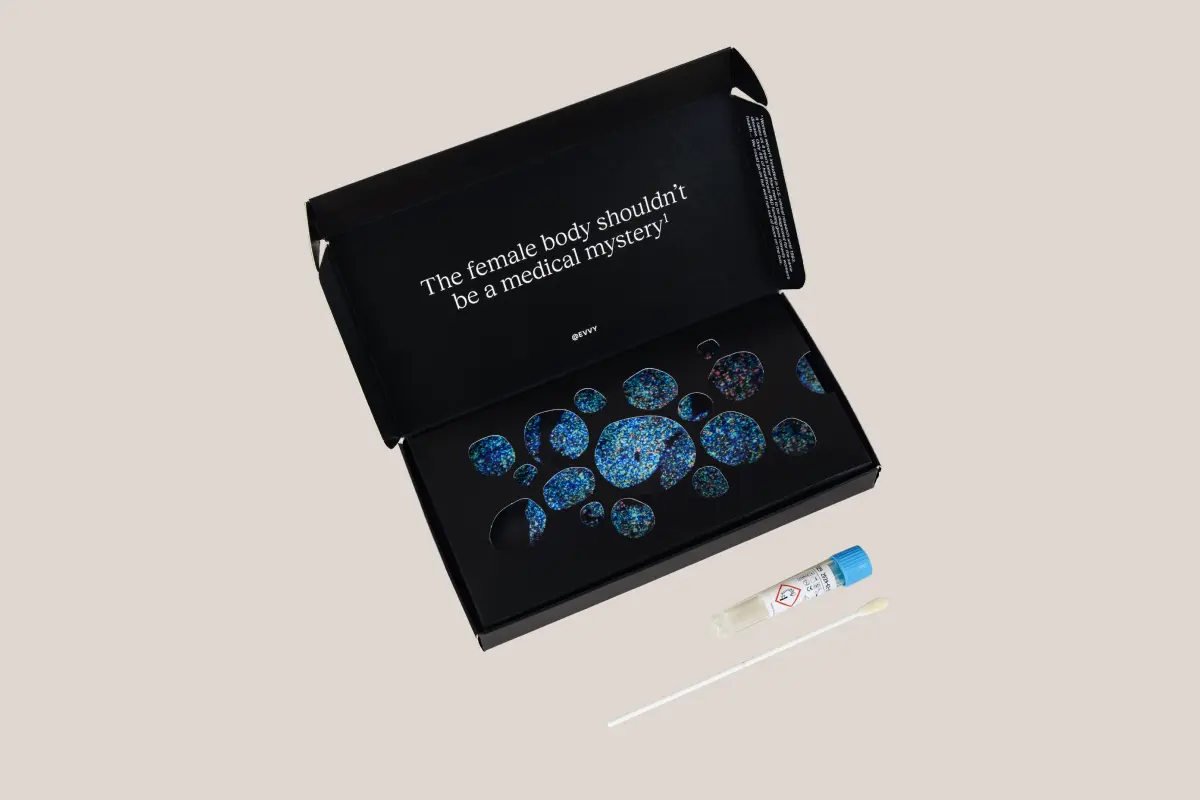
Get advanced insights into symptoms, fertility, and other health outcomes. Prelim results in 1-3 days.

Home remedies won't cure a UTI, but some ease symptoms and prevent recurrence. Learn what the evidence says and when to see a doctor.
Words by Olivia Cassano
Scientifically edited by Dr. Krystal Thomas-White, PhD
Medically reviewed by Dr. Kate McLean MD, MPH, FACOG
When you feel a urinary tract infection (UTI) coming on, it's only normal to want a quick, natural fix before booking a doctor's appointment.
Here's the truth: home remedies can help ease symptoms, and some may even help prevent future infections. But they can't cure urinary tract infections on their own. Only antibiotics can do that by eliminating the bacteria causing the infection. If you think you have a UTI, getting tested (like with Evvy’s UTI+ Test) and treated quickly is the most important thing you can do.
Below, we'll walk through what actually helps, what's mostly hype, and when it's time to see a doctor.
The short answer is no. UTIs are bacterial infections, which means the only thing that will actually eliminate the bacteria is antibiotics. Home remedies can't do that — they can only ease how you feel while the infection is still there.
That said, some very mild urinary tract infections do clear up on their own. Research suggests that around 20% of uncomplicated UTIs may resolve without treatment. But waiting it out carries real risk. If bacteria spread from the bladder to the kidneys, a simple infection can become a serious kidney infection, and sometimes even require hospitalization.
If your symptoms don't improve after a couple of days or get worse, please see a doctor. If the kidneys become infected, symptoms can escalate to include fever, back or flank pain, nausea, and vomiting. Definitely seek urgent care if you experience any of these symptoms.
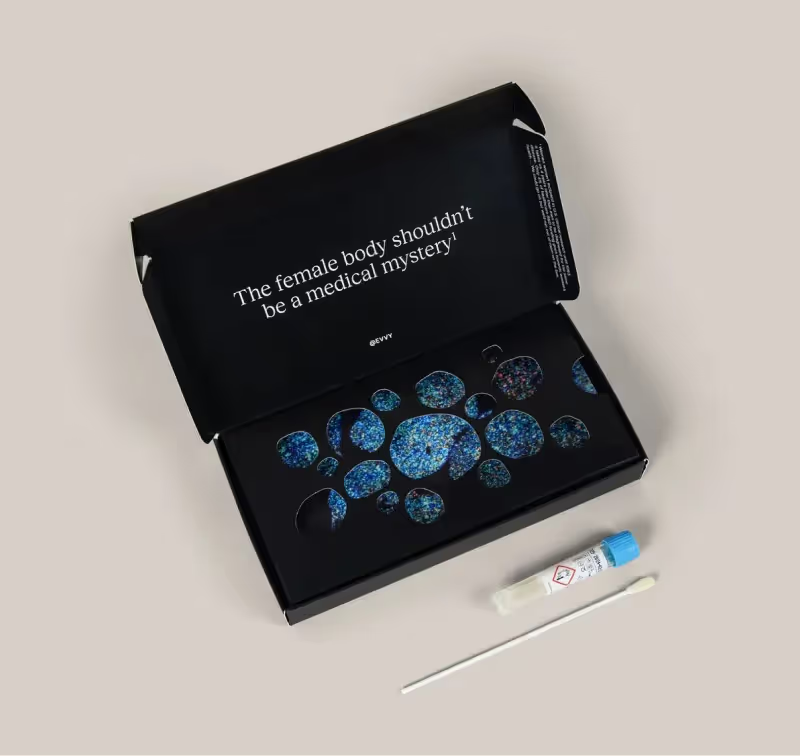
Recurrent symptoms? Get Evvy's at-home vaginal microbiome test, designed by leading OB-GYNs.
Think of home remedies as complementary care rather than treatment. These strategies won't cure your UTI, but they can take the edge off while you wait for antibiotics to kick in.
Staying well-hydrated is one of the most helpful things you can do when you have a UTI. Drinking plenty of water increases how often you pee, helping flush bacteria from the urinary tract before they have a chance to multiply further. Aim for at least 6–8 glasses a day, or more if you can. It can also help to avoid caffeine and alcohol while you're symptomatic, since both are bladder irritants that can make urgency and burning sensations feel worse. Water is your best friend right now.
Over-the-counter (OTC) options can provide real relief while you wait for antibiotics to do their thing. Phenazopyridine — sold under brand names like AZO, Uristat, and Pyridium — is a urinary analgesic that numbs the lining of the urinary tract, easing burning and the constant urge to pee. A heads-up: it turns your urine bright orange, which is completely harmless but can be a bit of a surprise if you're not expecting it. Use it for no more than 2 days, and don't rely on it as a sign that the infection is clearing (it masks symptoms without treating the bacteria). Anti-inflammatories like ibuprofen can also take the edge off pain and inflammation. Neither option treats the underlying infection, but they can make the wait a lot more bearable.
A heating pad or warm compress placed over your lower belly can help with the crampy, pressure-like discomfort that often comes with a UTI. Heat increases blood flow to the area, helps relax tense muscles, and can ease pelvic pain without any medication. It's a simple, accessible option that's easy to overlook when you're focused on treating the infection itself. Keep a cloth between the heat source and your skin to avoid irritation, and limit sessions to around 15–20 minutes each.
Several supplements get a lot of airtime for urinary tract infections. Some have decent evidence behind them for prevention, but it's important to know what the research actually shows, rather than what the marketing claims. None of these are substitutes for antibiotics when you already have an infection.
Cranberry supplements are probably the most talked-about natural remedy for urinary tract infections. Cranberries contain compounds called proanthocyanidins (PACs), which may stop E. coli bacteria from sticking to the walls of the urinary tract.
The evidence is mixed, though. A 2023 Cochrane review found that cranberry products may reduce the risk of recurrent UTIs in certain populations, particularly women with a history of repeated infections.
The catch is that drinking cranberry juice cocktail (the sweet, store-bought kind) won't cut it. You'd need high-PAC cranberry supplements or 100% unsweetened cranberry juice to get any potential benefit. And cranberry juice alone definitely won't treat an infection you already have.
D-mannose is a naturally occurring sugar found in cranberries that works similarly to cranberry supplements — it may prevent bacteria from adhering to the urinary tract lining. When you consume it, the body eventually eliminates it through the kidneys, and as it passes through the urinary tract, it can attach to E. coli, making them easier to flush out.
Some earlier studies showed promise. For example, one small 2022 study found an 87.5% cure rate when treating uncomplicated urinary tract infections with D-mannose for 1 week, comparable to antibiotic cure rates. The results are promising, but the study wasn't randomized, and the sample size is small (only 23 women were treated with D-mannose alone), so we can't draw firm conclusions from it alone.
The picture grew more complicated in 2024, when a large randomized controlled trial published in JAMA Internal Medicine found that D-mannose was no more effective than a placebo at preventing recurrent UTIs. The American Urological Association's updated guidelines also note that D-mannose alone may not be effective for UTI prevention.
The bottom line: D-mannose is generally safe, but the current evidence doesn't strongly support it as a UTI prevention strategy.
Probiotics — particularly certain strains of Lactobacillus — support the vaginal and urinary microbiome, which helps keep harmful bacteria in check.
Antibiotics are essential for treating urinary tract infections, but they don't always prevent them from coming back. And the more we rely on antibiotics over time, the greater our risk of contributing to resistance — meaning the bacteria that cause UTIs can become harder to treat.
That's where probiotics may be useful. Probiotics are live microorganisms that, when taken consistently and in the right amounts, may help restore balance across the body's interconnected microbiomes. Because the gut, vagina, and urinary tract are all linked, supporting a healthy bacterial balance in one area can have a knock-on effect on the others, making it harder for bad bacteria to take hold.
The research is still evolving, but a 2024 study found that taking a probiotic alongside antibiotic treatment helped prevent UTI recurrence in 75% of women, compared to 33% in those who didn't take one.
For people dealing with frequent UTIs, the right strains may offer a safe, antibiotic-sparing way to support urinary tract health over time. Evvy Women's Complete Probiotic is formulated with clinically researched Lactobacillus strains to support vaginal, gut, and urinary health. Taking it consistently, rather than just when symptoms appear, is where you're most likely to see a benefit.
Beyond supplements, some simple, evidence-backed habits can meaningfully reduce how often you get urinary tract infections. Most of these cost nothing and take very little effort.
It sounds basic, but it's one of the most important hygiene habits for UTI prevention. Always wipe from front to back after using the toilet. This helps prevent bacteria from the rectal area from traveling toward the urethra, where they can enter the urinary tract and cause an infection. The urethra and anus are close together anatomically, which is a big part of why women are so much more prone to urinary tract infections than men. It's a small habit that makes a real difference.
Staying well hydrated is essential, as chronic dehydration is a recognized risk factor for recurrent urinary tract infections. One clinical trial found that premenopausal women with recurrent UTIs who drank 1.5 liters more water per day than usual cut their UTI rate in half.
The mechanism is straightforward: more water means more frequent urination, which helps flush bacteria out of the urinary tract before it has a chance to cause an infection. Aim for around 70–90 oz of water per day as a general guide, and try to keep it consistent rather than playing catch-up at the end of the day. Incorporating water-rich foods such as watermelon, oranges, and lettuce can help hydrate and support UTI management.
When you feel the urge to pee, go. Holding your urine for extended periods gives bacteria more time to multiply in the bladder, increasing the risk of an infection taking hold. Try to pee roughly every few hours during the day and make a habit of not putting it off (even when you're busy). It's one of those small, easy habits that can add up to a meaningful difference over time.
Peeing after sex is one of the most commonly recommended UTI prevention strategies, and the biological logic is sound. Sexual activity can push bacteria toward (and sometimes into) the urethra, and peeing shortly after can help flush them out before they have a chance to cause an infection.
That said, this has never been formally tested in a clinical trial, so we don't have hard data proving it actually reduces UTI rates. What we do know is that it's completely free, takes about 30 seconds, and has no downside whatsoever. Given the biological rationale, it's a habit worth building even if the evidence isn’t there yet.
Some forms of contraception are linked to a higher risk of urinary tract infections. Spermicides — including spermicide-coated condoms, diaphragms, and cervical caps — can disrupt the vaginal microbiome by killing off beneficial Lactobacillus bacteria, making it easier for pathogens to take hold.
If you're getting recurrent UTIs and you use a spermicide-based method, it's worth having a conversation with your doctor about alternatives.
Certain health conditions can make you more susceptible to urinary tract infections, and managing them effectively is one of the most effective ways to lower your risk.
Menopause is a big one. When estrogen levels drop, the tissue of the vulva and vagina becomes thinner and the vaginal pH rises, creating an environment where harmful bacteria can thrive more easily. Vaginal estrogen has strong evidence behind it for reducing recurrent UTIs in postmenopausal women, so it’s worth discussing with your healthcare provider.
Diabetes also significantly increases UTI risk. High blood sugar can impair immune function and create conditions in the urinary tract that are more hospitable to bacteria. Keeping blood sugar well-controlled can meaningfully reduce the frequency of infections.
If you think you might have a UTI, getting tested promptly matters. The sooner you know what's going on, the sooner you can get the right treatment.
Standard urine dipstick tests (available at pharmacies) can detect certain markers of infection, but they don't identify which bacteria are causing the problem or whether it might be antibiotic-resistant. That matters because the right antibiotic depends on the specific bacteria involved.
Evvy's UTI+ Test goes further. It uses advanced PCR sequencing technology to identify the bacteria present in your urinary microbiome, giving you and your doctor much more detailed information than a standard dipstick. It's a simple at-home test that you complete and mail back, with results that can help inform your treatment plan. If you're dealing with recurrent UTIs or a previous treatment hasn't worked, this level of detail can make a real difference.
Home remedies have their limits, and knowing when to stop using them and seek medical care is important. See a doctor if:
Antibiotics are the only way to fully treat a UTI. Delaying treatment can allow bacteria to travel from the bladder to the kidneys, where infection becomes much harder to treat. Don't wait it out if your body is sounding the alarm.
The home remedies with the most evidence behind them for managing UTI symptoms are: drinking plenty of water, taking OTC pain relievers like phenazopyridine (AZO) for short-term relief, and applying a heating pad to ease pelvic discomfort. For prevention, high-PAC cranberry supplements and Lactobacillus probiotics have the most research support. Avoiding caffeine, alcohol, and spicy foods can reduce bladder irritation.
Increasing your water intake is the best way to help flush bacteria from your urinary tract. Aim for at least six to eight glasses a day and pee as often as you feel the urge. This won't cure a UTI on its own, but it can reduce discomfort and support your recovery alongside antibiotic treatment.
Antibiotics are the fastest and most effective way to cure a UTI. They typically start working within a day or two, and most courses last 3 to 5 days. Annoyingly, no home remedy can match this. If you want to get better quickly, see a doctor and get a prescription.
It's understandable to want to avoid a doctor's visit, but there's no proven way to reliably cure a bacterial UTI without antibiotics. Some very mild infections do clear up on their own with increased water intake, but this is the exception rather than the rule, and waiting too long carries the risk of a more serious infection. If you're trying to manage costs or access, telehealth services like Evvy can prescribe antibiotics quickly and affordably, so it's worth exploring that route.
Pregnancy is a situation where you should not try to manage a UTI at home. Urinary tract infections during pregnancy carry a higher risk of complications, including preterm labor. If you're pregnant and have UTI symptoms, see a doctor straight away, even if your symptoms feel mild.
If you've been using home remedies and want to check whether an infection is still present, an at-home UTI test is a convenient option. Evvy's UTI+ Test can identify which bacteria are in your urinary microbiome and provide detailed results you can share with your healthcare provider. Standard pharmacy dipstick tests can also give a quick initial read, though they're less comprehensive.