CONGRATS! YOU EARNED FREE SHIPPING.

Product Title
1
$0
$0
Subscription Title

Looking kind of empty in here.
We recommend:
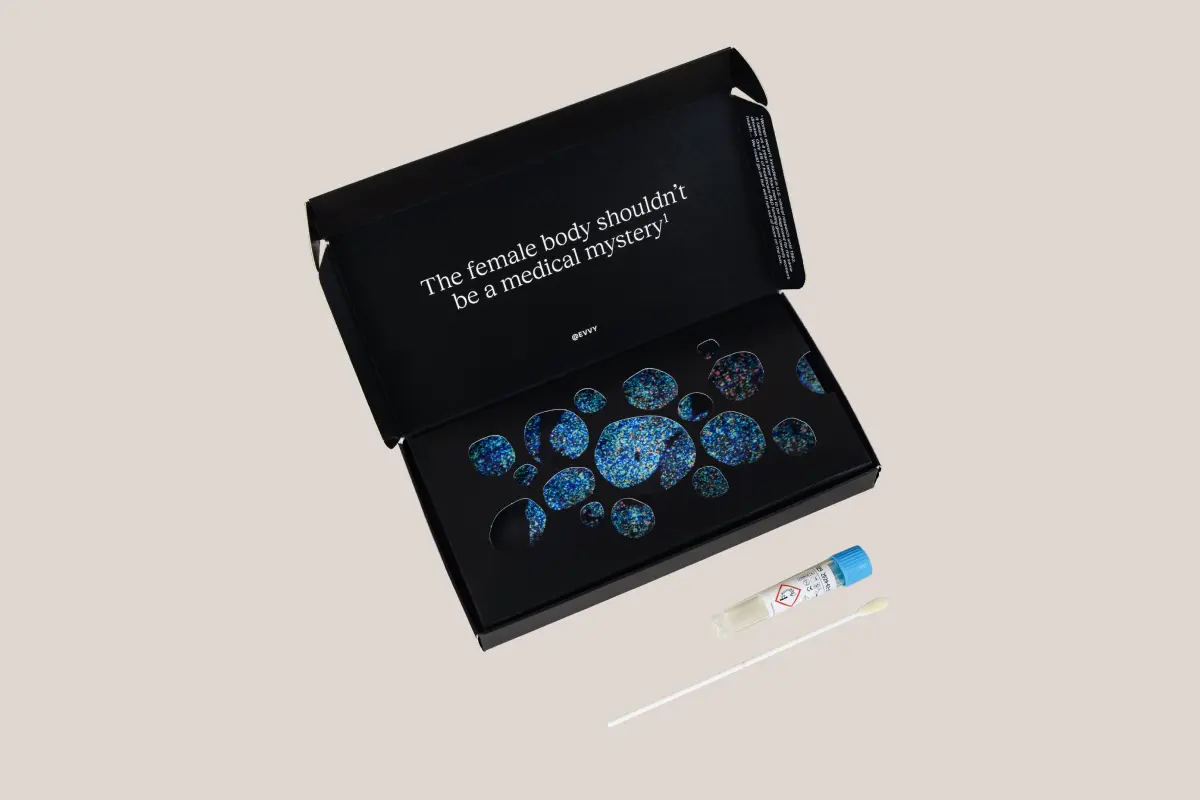
Get advanced insights into symptoms, fertility, and other health outcomes. Prelim results in 1-3 days.

Sperm can cause itching and burning due to allergies, pH shifts, or infection. Learn how to tell the difference and get tested at home with Evvy.
Words by Olivia Cassano
Scientifically edited by Dr. Krystal Thomas-White, PhD
Medically reviewed by Dr. Kate Baron, MD
If you've had unprotected sex and now feel a burning or itching sensation in your genital area, it’s usually something other than semen, though semen can occasionally be involved. Far more often, post-sex burning comes from bacterial vaginosis (BV), a yeast infection, sexually transmitted infections (STIs), dryness, or a reaction to lube, latex, or spermicide.
That said, semen (the fluid that contains sperm) is alkaline, and it can disrupt an already-imbalanced vaginal microbiome or even trigger an allergic reaction, called seminal plasma hypersensitivity.
Different causes require different treatments, so figuring out the actual cause matters more than treating the symptom. Keep reading to learn how to tell the difference, and what testing can confirm before you guess.
A healthy vagina sits at a pH of roughly 3.8 to 4.5, kept acidic by Lactobacillus bacteria. That acidity is what keeps less-than-desirable organisms in check. Semen is much more alkaline (typically somewhere between pH 7.2 and 8.0), so when it enters the vagina during unprotected sex, it temporarily raises the pH.
In a microbiome dominated by protective Lactobacilli, this shift is usually a flash in the pan. The bacteria quickly bring things back into balance, and most people don't notice anything at all. But if your microbiome is already Lactobacillus-depleted, whether from recent antibiotics, hormonal changes, or an existing imbalance, it can't re-acidify as quickly or efficiently.
That higher pH sticks around longer, giving less protective, sometimes symptom-causing bacteria more room to grow. This is part of why unprotected sex with the same partner can be a problem one month and not the next — it often has less to do with the semen and more to do with what your microbiome could handle that day. This is one reason why BV can flare after unprotected sex.
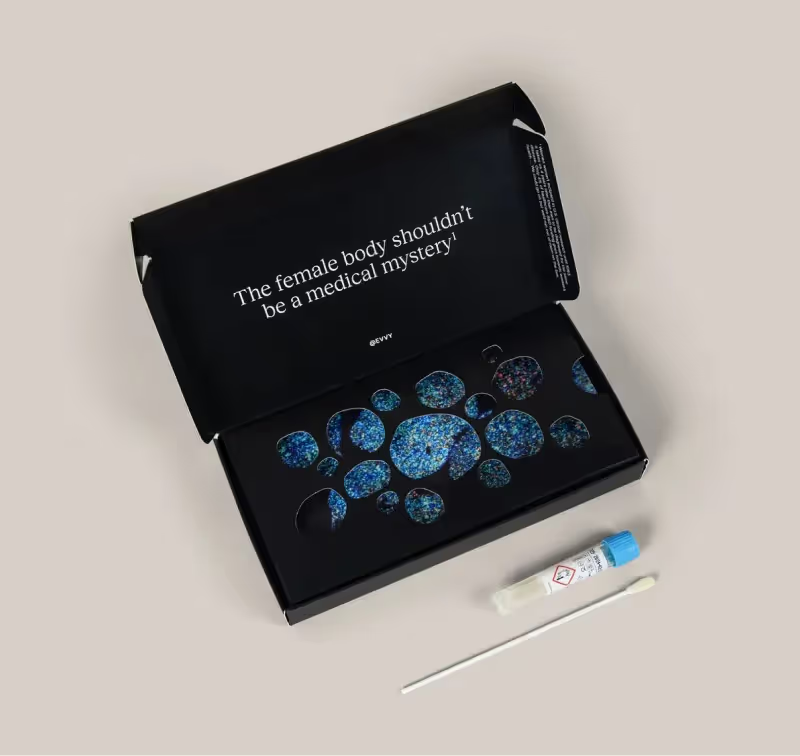
Recurrent symptoms? Get Evvy's at-home vaginal microbiome test, designed by leading OB-GYNs.
Yes, though it's uncommon. Seminal plasma hypersensitivity is an allergic reaction to prostate-specific antigen (PSA) or other proteins in semen, not to sperm cells. The allergen is a protein found in seminal plasma across partners, so someone with this allergy usually reacts to any partner's semen, not just one specific person's.
Semen allergy symptoms include itching, burning, redness, and swelling, usually appearing within 10-30 minutes of exposure, though some people react sooner and others have delayed reactions hours to a few days later. In rare, more severe cases, people report hives, difficulty breathing, or symptoms elsewhere on the body, pointing to a systemic allergic response rather than local irritation. These signs are medical emergencies, so call 911 or go to the nearest emergency room. A condom usually prevents the reaction entirely, since it stops semen from reaching vaginal tissue, one of the more reliable ways to confirm what's happening.
Before assuming a semen allergy, know it's one of the least likely explanations. Most itching and burning after sex traces back to something else already going on, or something the sex itself introduced or aggravated.
BV is one of the most common triggers for post-sex vaginal complaints (like burning, odor, and/or discharge), and semen's alkalinity may be part of why. As noted above, semen temporarily raises vaginal pH, and in a microbiome low in protective Lactobacillus, that shift can let BV-associated bacteria take hold. Aerobic vaginitis (AV) involves different bacteria and tends to cause more inflammation, leading to burning and irritation.
A yeast infection can also cause burning and itching that may worsen after sex. Yeast infections usually occur at a normal vaginal pH, so semen’s alkalinity is a less likely driver here than it is with BV. Friction and micro-irritation from sex can inflame sensitive tissue, and residual lube or spermicide can compound the irritation.
Condoms, lubricants, and spermicides all contain ingredients that can irritate sensitive tissue, and a latex allergy can mimic a semen allergy closely. Dryness, whether from insufficient arousal, hormonal changes, or certain medications, causes friction that can burn on its own, no allergen required.
Trichomoniasis, herpes, chlamydia, and gonorrhea can all cause itching, burning, irritation, or unusual discharge after sex, sometimes with no other obvious symptoms at first. One more reason not to assume an allergy without ruling out infection.
A few clues can help you figure out which one you're dealing with before you get tested:
Symptoms alone aren't a reliable way to diagnose what's happening, and that's true across nearly every cause on this list. Itching and burning from BV, a yeast infection, AV, STIs, and a semen allergy can all look similar on the surface while needing completely different treatments. Guessing wrong means treating the wrong thing, which can leave the real issue unaddressed or make it worse.
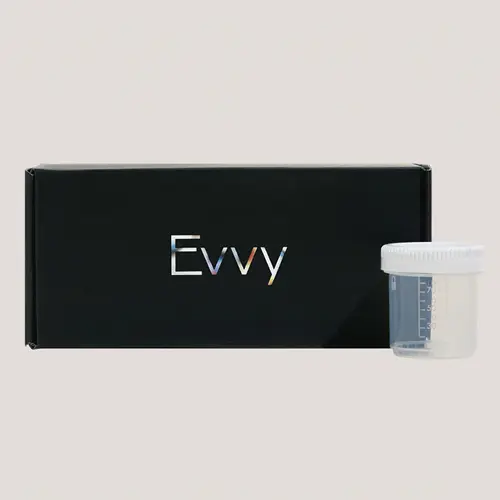
Evvy's Vaginal Health & STI Test uses metagenomic sequencing to identify the broad range of bacteria and yeast in your vaginal microbiome, including BV-associated species, Candida, four of the most common STIs, and other organisms basic in-office tests can miss.
If your results come back without a clear infection, and your symptoms line up with the fast-onset, localized pattern of an allergic reaction, talk to your provider about a semen allergy, since it isn't something a vaginal microbiome test is designed to diagnose on its own. If you have pelvic pain, fever, or symptoms that are severe or keep coming back, see a provider rather than waiting on results.
If testing points to an infection like BV, a yeast infection, or an STI, treatment should target the specific organisms involved, which detailed test results make possible instead of relying on trial and error. Eligible users can access Evvy's Complete Treatment Program, a personalized, multi-step care plan built around their unique test results and designed by a provider.
If a semen allergy looks likely, condoms are the most immediate way to prevent symptoms, since they stop the allergenic semen proteins from reaching vaginal tissue. Some people also find relief with antihistamines taken before sex, though this doesn't address the underlying allergy and should be discussed with a doctor first, especially if symptoms have ever been severe. In persistent cases, an allergist can explore additional options, including desensitization therapy.
For pH-related irritation that isn't a full-blown infection, a few habits help the microbiome recover faster:
A true allergic reaction to semen typically resolves within a few hours once semen is no longer in contact with vaginal tissue, though it can occasionally last a day or two. Irritation from pH disruption or an emerging infection can last longer, especially if it develops into BV or a yeast infection that needs treatment to clear.
Seminal plasma hypersensitivity is rare, but it’s hard to know exactly how common it is because it’s often mistaken for an infection or STI. Experts generally agree it affects a small number of people compared to the more common post-sex BV or yeast infections.
It's possible, since sensitivity can vary with the specific proteins present and their concentration, but it's less common than reacting to any partner's semen. Most people with a true semen allergy react to any partner's semen because the allergen, PSA, is a protein found in seminal plasma.
For a semen allergy, yes, almost always, since condoms prevent semen from contacting vaginal tissue. For pH-driven irritation or BV, condoms help by preventing the alkaline shift semen causes, and they also reduce the risk of BV specifically, since research has found men can pass BV-associated bacteria to female partners during unprotected sex. Condoms also lower the risk of STIs, which can cause similar itching and burning sensations. Across many of the causes on this list — semen allergy, pH disruption, BV, and STIs alike — condoms are one of the best things you can do to protect your vaginal health if you're sexually active. You may want to choose condoms without any spermicides and avoid flavored or scented lubricants, as those could make existing irritation worse.
Yes, and it's worth ruling out early. Latex condoms and diaphragms can cause a latex allergy, while certain lubricants and spermicides can cause contact irritation. Either way, the symptoms overlap heavily with seminal plasma hypersensitivity. Switching to non-latex condoms is a simple way to test this.
BV, yeast infections, aerobic vaginitis, latex sensitivity, spermicide or lube irritation, and dryness can all cause itching and burning similar to a semen allergy. Certain STIs can too, which is why testing is so important (before assuming it's an allergy).
Start with an at-home vaginal microbiome test. It's a simple way to check for BV-associated bacteria, Candida, and other organisms that could be behind your symptoms, without having to guess. If it comes back clear and your symptoms fit the allergy pattern (fast onset, localized to where semen made contact, and settling down once semen is gone), that's a good sign to follow up with an allergist for formal allergy testing.
Yes. Many allergies, including one to semen, can develop at any point, even after years of sex with the same partner and no previous reaction. The exact triggers aren’t well understood, so sudden onset doesn’t rule out a genuine allergy. That said, new burning or itching after years of no problems is still more likely to be an infection or irritation, so it’s worth testing first.
A semen allergy itself doesn't damage fertility, but it can make unprotected sex uncomfortable or impractical, which matters for couples trying to get pregnant naturally. People in this situation typically work with an allergist on desensitization therapy or explore fertility treatments such as intrauterine insemination (IUI), which uses washed sperm with most of the seminal plasma removed.