CONGRATS! YOU EARNED FREE SHIPPING.

Product Title
1
$0
$0
Subscription Title

Looking kind of empty in here.
We recommend:

Get advanced insights into symptoms, fertility, and other health outcomes. Prelim results in 1-3 days.
What does no vaginal discharge mean? Learn what it can mean for your cycle, pregnancy, or vaginal health, and when dryness may warrant a check.
Words by Olivia Cassano
Scientifically edited by Dr. Krystal Thomas-White, PhD
Medically reviewed by Dr. Kate McLean MD, MPH, FACOG
Vaginal discharge is different for everyone. Some people naturally produce a lot, while others have very little — and what seems like “no discharge” may simply be such a small amount that it isn’t noticeable. Hormonal fluctuations throughout your menstrual cycle also affect how much cervical mucus your body produces, which means discharge levels can naturally rise and fall during the month.
Most of the time, having little or no discharge isn’t something to worry about. It’s usually only worth paying closer attention if there’s a sudden change from what’s normal for your body, if you’re trying to conceive and tracking ovulation, or if dryness comes with other symptoms like itching, irritation, or discomfort during sex.
Keep reading to learn more about what no vaginal discharge can mean, and when to see a provider. And if you’re curious about what’s happening in your vaginal environment, Evvy’s Vaginal Microbiome Test can help you understand your vaginal microbiome and how it may be influencing symptoms like changes in discharge.
Vaginal discharge is a normal fluid produced by the cervix, vaginal walls, and glands in the reproductive tract. It helps keep the vagina clean and lubricated, acting like your vagina’s natural self-cleaning system, and plays an important role in maintaining vaginal health.
This fluid is made up of cervical mucus, vaginal secretions, and shed cells from the vaginal lining. It may also contain beneficial bacteria that help maintain a healthy vaginal microbiome. These microbes, particularly Lactobacillus species, help keep the vaginal environment slightly acidic, which can prevent harmful bacteria and yeast from growing.
The amount of vaginal discharge someone has can vary widely. Some people notice discharge every day, while others rarely see it on their underwear or when wiping, and both patterns can be completely normal.
What many people describe as “no discharge” is often just very minimal discharge. The body may still be producing fluid, but in such small amounts that it isn’t noticeable. Factors like hydration, hormone levels, and where you are in your cycle can all influence how much discharge you see.
For example, it’s very common to have days during the month when vaginal discharge feels minimal or absent. This doesn’t necessarily mean the vagina is unhealthy or that something is wrong. Instead of focusing only on the amount of vaginal discharge, doctors tend to look at other symptoms — like itching, burning, unusual odor, or pain — when evaluating vaginal health.

Recurrent symptoms? Get Evvy's at-home vaginal microbiome test, designed by leading OB-GYNs.
Hormones fluctuate across the menstrual cycle, and those changes have a big impact on how much vaginal discharge you make. Many people notice predictable patterns in how discharge looks and feels at different points during the month.
Right after your period, you may notice a few relatively “dry” days with little to no vaginal discharge. Estrogen levels are still low at this point in the cycle, so cervical mucus production tends to be minimal.
As the cycle progresses and estrogen levels begin to rise, vaginal discharge usually increases. In the days leading up to ovulation, cervical mucus often becomes more noticeable. It may look clear, slippery, and stretchy, sometimes compared to raw egg whites. This type of mucus helps sperm travel through the reproductive tract and is considered a sign of peak fertility.
After ovulation, progesterone becomes the dominant hormone. Vaginal discharge often becomes thicker, creamier, or stickier during this phase, which is called the luteal phase. Some people notice less discharge again as they approach their next period.
Because of these hormonal patterns, it’s common for discharge to fluctuate throughout the month. Having some days where discharge feels minimal or absent is part of a typical cycle for many people.
Even though vaginal discharge usually changes throughout your cycle, not everyone experiences noticeable amounts of it. Some people simply produce very little cervical mucus and vaginal fluid overall.
If you’ve always had minimal discharge and you don’t have any other symptoms, it’s likely just your body’s natural baseline. Vaginal health varies widely from person to person, and there isn’t a single “correct” amount of discharge.
Age can also influence discharge levels. As people get older, especially approaching perimenopause, estrogen levels may fluctuate or decline, which can reduce cervical mucus production.
Temporary hormonal shifts can also affect discharge. Stress, illness, and changes in sleep patterns can all influence hormone levels, potentially making discharge lighter than usual for a period of time.
Certain medications may also reduce vaginal secretions. Hormonal birth control, some antihistamines, and medications that affect hormone levels can lead to less noticeable discharge.
What matters most is whether other symptoms are present. If little or no discharge is your normal pattern and you feel comfortable otherwise, it’s usually nothing to worry about. But if dryness is new and comes with itching, burning, pain during sex, or unusual irritation, it may be worth investigating further.
Many people pay close attention to their discharge when trying to figure out whether their period is coming or whether they might be pregnant. Because hormones influence cervical mucus, changes in discharge can sometimes offer clues, but they aren’t a reliable sign of pregnancy.
You might notice that as your period approaches, your discharge can change. During the luteal phase, progesterone levels stay high and then drop right before your period starts. This hormonal shift can make your cervical mucus a bit thicker, stickier, or sometimes just less noticeable overall. That’s why some people experience a few “drier” days leading up to their period, and if this is something that happens to you regularly, it could just be how your body operates. But don’t worry if you don’t experience this — some people find they have more discharge before their period, and others don’t notice much of a difference at all.
Early pregnancy often leads to increased discharge rather than less. Rising estrogen and increased blood flow to the reproductive organs can lead to more vaginal secretions. Typical early pregnancy discharge is usually thin, milky white, and odorless, known as leukorrhea.
That said, everybody is different. Some people may not notice an increase in discharge right away, and some may still feel relatively dry early on.
Because hormone patterns in early pregnancy can mimic the luteal phase of the menstrual cycle, discharge alone isn’t a reliable way to determine whether you’re pregnant.
Yes, it’s still possible to get pregnant even if you usually notice very little discharge. Though the two are related, they’re not mutually exclusive.
During the fertile window (the days leading up to ovulation), cervical mucus typically becomes more slippery to help sperm swim up to the egg. However, some people may not visibly notice this mucus even though it’s present in the cervix.
Additionally, sperm can survive in the reproductive tract for several days under the right conditions. Even if discharge seems minimal externally, internal cervical fluid may still support fertilization.
If you’re trying to conceive and consistently feel very dry around ovulation, a provider may be able to help evaluate whether hormonal factors or medications are affecting cervical mucus production.
While menstrual cycles and pregnancy are common reasons people pay attention to discharge, several other factors can affect how much vaginal fluid your body produces.
Estrogen plays a major role in vaginal lubrication and cervical mucus production. When estrogen levels dip, which can happen during perimenopause, menopause, after giving birth, or while breastfeeding, you might notice that things feel a bit drier than usual, and there’s less discharge. When estrogen is low, some people experience dryness, irritation, or discomfort during sex. You might also find that the vaginal tissues feel thinner or more sensitive.
Certain medications can affect moisture levels in the body, including the vagina. Antihistamines, some hormonal contraceptives, and medications that influence hormone levels may reduce vaginal lubrication.
Personal care products can also play a role. Harsh soaps, scented washes, and vaginal douching can disrupt the natural environment of the vagina and contribute to dryness or irritation.
Lifestyle factors may also have an influence. Chronic stress, dehydration, and significant changes in diet or exercise patterns can all affect hormone balance, potentially impacting discharge.
It's completely normal not to have a lot of vaginal discharge, and it usually isn't something to worry about. Many people experience very light or barely noticeable discharge, and the amount can vary widely from person to person and even throughout your cycle. Some women find that they have little or no visible discharge at certain times, and that’s often perfectly fine.
However, if you notice dryness or minimal discharge along with other symptoms — like vaginal itching, burning, redness, irritation, an unusual odor, or pain during sex — it might be a good idea to take a closer look. These could be signs that something else is happening that deserves attention.
Most vaginal conditions that alter discharge, such as bacterial vaginosis (BV), yeast infections, trichomoniasis, cervicitis, or atrophic vaginitis, often cause noticeable changes in discharge, including different colors, smells, or consistencies. They often come with symptoms like vaginal irritation or discomfort. So, if you’re experiencing dryness alone, it's less likely that it’s due to bacterial vaginosis.
Dryness can sometimes occur for non-infectious reasons, such as reactions to personal care products, skin conditions affecting the vulva, or changes in hormone levels. One common situation is atrophic vaginitis, which can occur when estrogen levels drop, especially during perimenopause and menopause. This may lead to dryness, pain during sex, and even very minimal or no discharge at all.
If you suddenly notice dryness or if it’s accompanied by discomfort, it’s a good idea to touch base with a healthcare provider. They can help figure out if hormones, irritation, or something else might be causing your symptoms. But if you’re not experiencing any other issues and just find that your discharge is on the lighter side, that’s typically just a part of your normal vaginal health and doesn’t need any treatment.
If you’re experiencing dryness or discomfort related to low discharge, several strategies may help improve moisture and overall vaginal comfort.
Small daily habits can support vaginal health and help maintain comfort.
If you're dealing with persistent vaginal dryness — especially during perimenopause or menopause — vaginal moisturizers can make a big difference. These products are designed to restore moisture to vaginal tissues and can be used regularly to help relieve dryness and improve overall comfort.
Some people may also benefit from prescription treatments like local estrogen therapy. Unlike systemic hormone therapy, local estrogen is applied directly to the vagina and works by replenishing estrogen in the vaginal tissues. This can help improve lubrication, elasticity, and tissue health when dryness is caused by low estrogen levels.
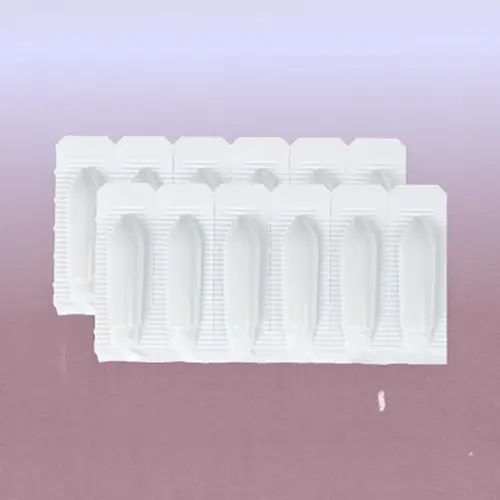
If you're looking for non-hormonal options, hyaluronic acid-based vaginal products can also be helpful. Hyaluronic acid is known for its ability to retain moisture and support tissue hydration. For example, Evvy’s Hyaluronic Acid Suppositories are designed to support vaginal moisture and overall vaginal health.
For those who may benefit from hormonal support, Evvy also offers Estradiol Vaginal Cream, a localized estrogen treatment designed to help replenish estrogen in vaginal tissues and relieve symptoms like dryness, irritation, and discomfort during sex.
Because dryness can have several underlying causes, it’s always a good idea to talk with a healthcare provider about your symptoms. They can help determine whether moisturizers, localized estrogen therapy, or another treatment option may work best for your body.
The vaginal microbiome also plays an important role in vaginal health and discharge patterns. In a healthy setting, the vagina is primarily home to friendly Lactobacillus bacteria. These good bacteria work to maintain a naturally low pH, which serves as a protective barrier against harmful germs and keeps normal vaginal secretions in check. When everything is balanced, you might notice that discharge is minimal and can appear clear or white. However, if the balance shifts away from Lactobacillus, you might see some changes in discharge patterns. For instance, in cases of bacterial vaginosis, other types of bacteria like Gardnerella vaginalis, Prevotella, and Atopobium vaginae can start to become more prevalent. This shift can lead to an increase in vaginal discharge that may appear thin, milky, or grayish and may have a fishy odor. These changes happen because the overgrowth of these bacteria alters the chemical environment of the vagina and produces different metabolic byproducts.
Other vaginal infections, including yeast infections and sexually transmitted infections like chlamydia, can also disrupt the microbiome and lead to changes in discharge. In many of these cases, the amount of discharge increases, and its color, texture, or smell may change depending on the specific infection.
Because microbiome imbalances often cause more discharge rather than less, having little or no discharge doesn’t usually point to infections like bacterial vaginosis. But if you’re experiencing unusual discharge, irritation, or other symptoms, understanding what’s happening in your vaginal microbiome can be helpful.
Testing the vaginal microbiome can offer deeper insight into what’s happening within the vaginal environment. The Evvy Vaginal Microbiome Test analyzes the bacteria present in your vaginal microbiome and provides personalized insights into vaginal health. Learning more about your microbiome can help guide more targeted strategies for managing symptoms like irritation, unusual discharge, or other vaginal health concerns.
It's completely normal for some people to experience very little vaginal discharge, and if that's been the case for you without any other issues, there's usually no need to be concerned. However, if you notice any sudden or ongoing changes in moisture that feel uncomfortable or different from what you're used to, it's a good idea to reach out to a doctor.
Keep an eye out for symptoms that might need some extra attention, like itching, burning, discomfort during sex, redness, unusual smells, or irritation that doesn't seem to go away. A healthcare provider can help you figure out if things like hormonal changes, infections, or skin conditions might be at play.
If dryness is affecting your comfort or sexual health, don’t hesitate to talk to someone. There are many treatments and supportive options available, and a provider can help guide you to the best solution.
Yes. Some people naturally produce very small amounts of vaginal discharge. What appears to be “no discharge” may simply be discharge that isn’t noticeable. The amount of vaginal discharge can vary widely from one person to another, and can also change throughout your cycle. If you don’t notice much discharge and don’t have symptoms like itching, burning, irritation, or an unusual odor, it’s usually considered completely normal.
Yes, pregnancy is still possible even if you don’t usually notice discharge. Cervical mucus that helps sperm travel through the reproductive tract may still be present inside the cervix even if you don’t see it externally. Some people don’t visibly notice fertile cervical mucus even though it’s there. Because of this, the absence of noticeable discharge doesn’t mean ovulation isn’t happening, or that pregnancy can’t occur.
Not usually. In fact, early pregnancy more often causes an increase in vaginal discharge due to rising estrogen levels and increased blood flow to the reproductive organs. This discharge is typically thin, milky, and mild-smelling. Dryness by itself isn’t considered a reliable sign of pregnancy. The only way to confirm pregnancy is with a pregnancy test.
For some people, yes. Discharge can decrease or become less noticeable in the days leading up to a period because of hormonal changes during the luteal phase of your cycle. Progesterone levels are higher during this time, which can make cervical fluid thicker or less abundant. However, discharge patterns vary from person to person, so some people may notice more discharge rather than less before their period.
A sudden change in discharge can sometimes happen because of hormonal shifts, medications, stress, or lifestyle changes. For example, starting or changing hormonal birth control, taking certain medications like antihistamines, or experiencing significant stress can all affect cervical fluid production. Dehydration and illness may also temporarily influence vaginal moisture. If the change is persistent, feels unusual for your body, or comes with symptoms like irritation or pain, it’s a good idea to discuss it with a provider.
If dryness is mild and you don’t have symptoms like itching, burning, irritation, unusual odor, or pain during sex, it’s often not a cause for concern. Some people naturally have lower levels of vaginal moisture or discharge. However, if dryness is new, persistent, or affecting your comfort or sex life, a provider can help determine whether hormones, medications, or other factors might be contributing and recommend options to improve comfort.